By Jeremy Got | 8-minute read
Published: May 10, 2025 09:00 AM HKT | As seen on www.prestigeonline.com
Share
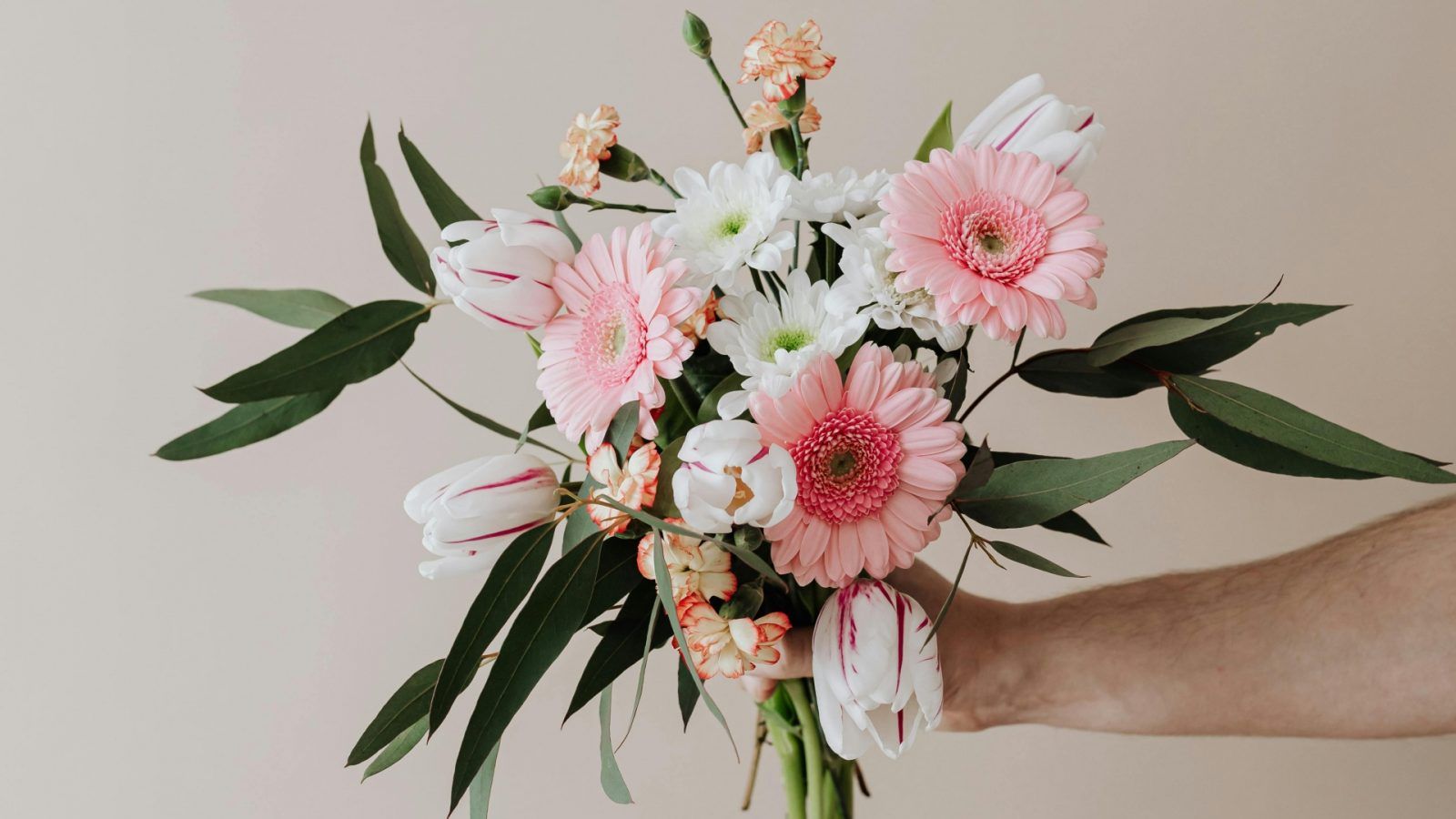
When one thinks of the ways to express love and appreciation for Mother’s Day, often we look to the symbolism of the maternal figure, one that transcends time, culture and language. This maternal, feminine symbolism points us to Floriography, or the study the flowers, the art of communication through different flower types. This Mother’s Day, we have curated a list of the most symbolic flowers to gift our mothers, conveying a love language through the language of Floriography. Floriography wasn’t limited to bouquets—the language was used in art, literature, and jewellery.
Floriography emerged during the Victorian era with its roots in cultural exchange brought from the Ottoman Empire through a certain Lady Mary Wortley Montagu, a British poet and aristocrat. The Victorian era was characterised by a strict, limiting social etiquette that prevented open expression of emotion, especially in the affairs around love. Floriography became a secret code for those that were well-versed in it, expressed in the form of bouquets and boutonnieres. Two centuries later, the gifting of flowers has become a bold, universal proclamation of love than an exchange of secret messages. In the language of Floriography, each flower holds a different meaning, and chances are, if you’ve ever received an intricate arrangement of floral bouquets, perhaps it was more than just a nice gesture—it was a carefully crafted message that expressed gratitude, love, and a celebration of the people we hold dear, of which, is befitting to our mothers. Feeling intentional for this Mother’s Day? Read on for our curated list of top 10 florals that will inspire the symbolism behind your next floral arrangement this Mother’s Day.
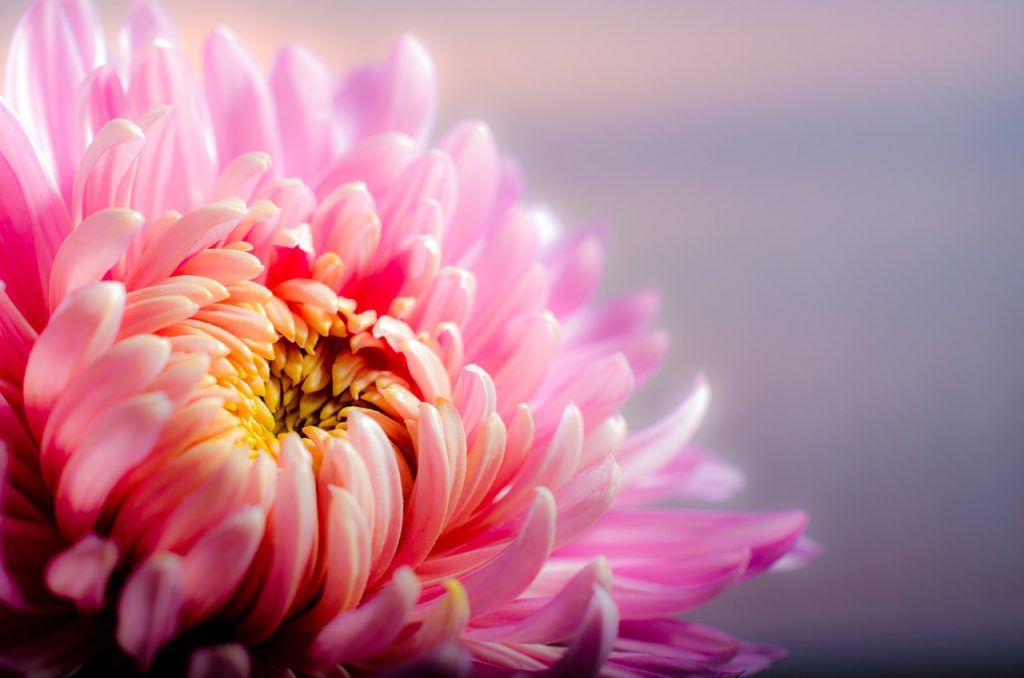
Chrysanthemum
“Gold flower”, from the Greek words chryos and anthemon, is a flower that holds meaning in both Eastern and Western cultures. In Britain, they’re affectionately known as “mums”, with the pink variety symbolising longevity and red representing love and passion. In Asian cultures like Japan & China, mums denote royalty and good fortune—a fitting tribute for the queen in our lives!
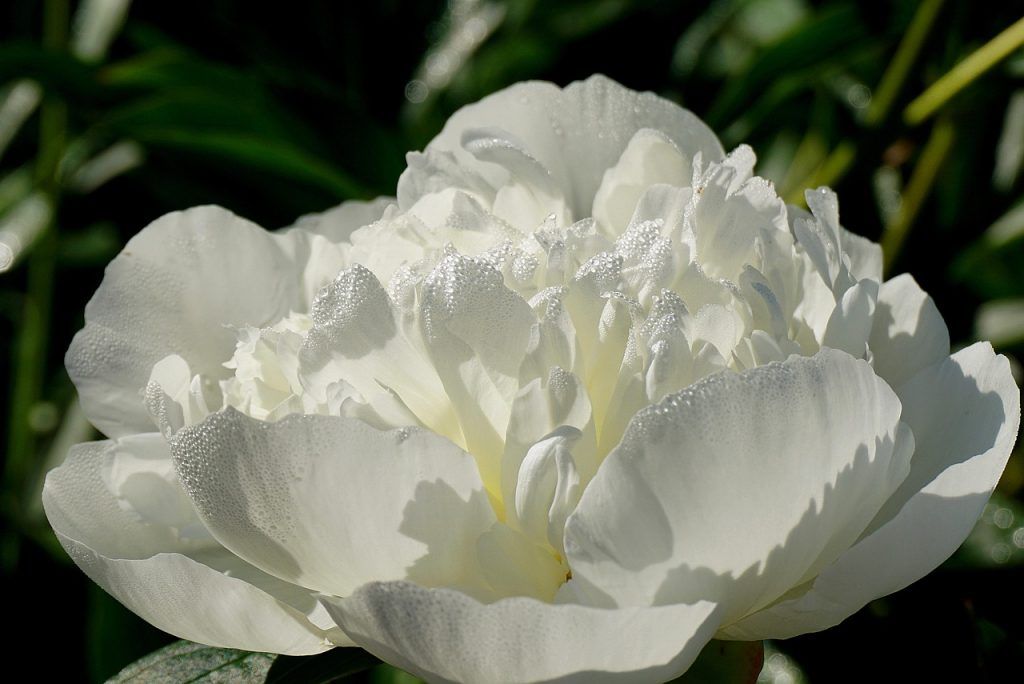
Peonies
Believed to have originated during China’s Tang Dynasty and later brought to the West, the peony is known as the “king of flowers” in Chinese culture, while the city of Luoyang is known as the “City of Peonies”. In Greek mythology, it is believed that the peony was named after Paeon, a physician who cured an illness with the liquid of the peony flower. Its pink blooms symbolise admiration, prosperity and gratitude—symbolisms that hold water to our testament of love for mum this Mother’s Day!
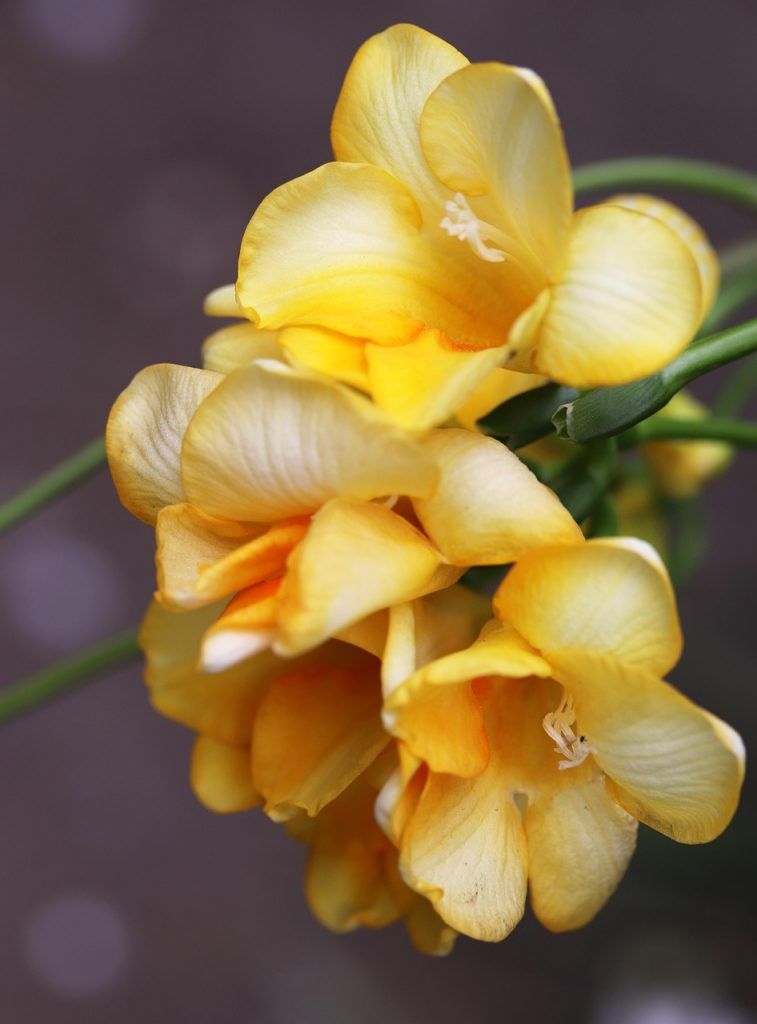
Freesia
Renowned for its delicate and fragrant blossoms, this flower was discovered in South Africa during the late 19th-century by Danish botanical collector Christian Friedrich Ecklon, who named the Freesia after his friend, a German Botanist named Friedrich Freese. The flower gained popularity in Europe during the Victorian era for its elegant appearance and fragrance. In floriography, the Freesia’s gentle symbolism represents friendship, trust, innocence, and thoughtfulness. Additionally, these qualities are often nurtured by our mothers—our mothers are not only our best friends but also those to whom we entrust our lives with throughout life’s ever-changing seasons! Think Pink with this flower—pink freesias symbolise motherly love and femininity. Don’t miss out on these fragrant blooms for your next bouquet!
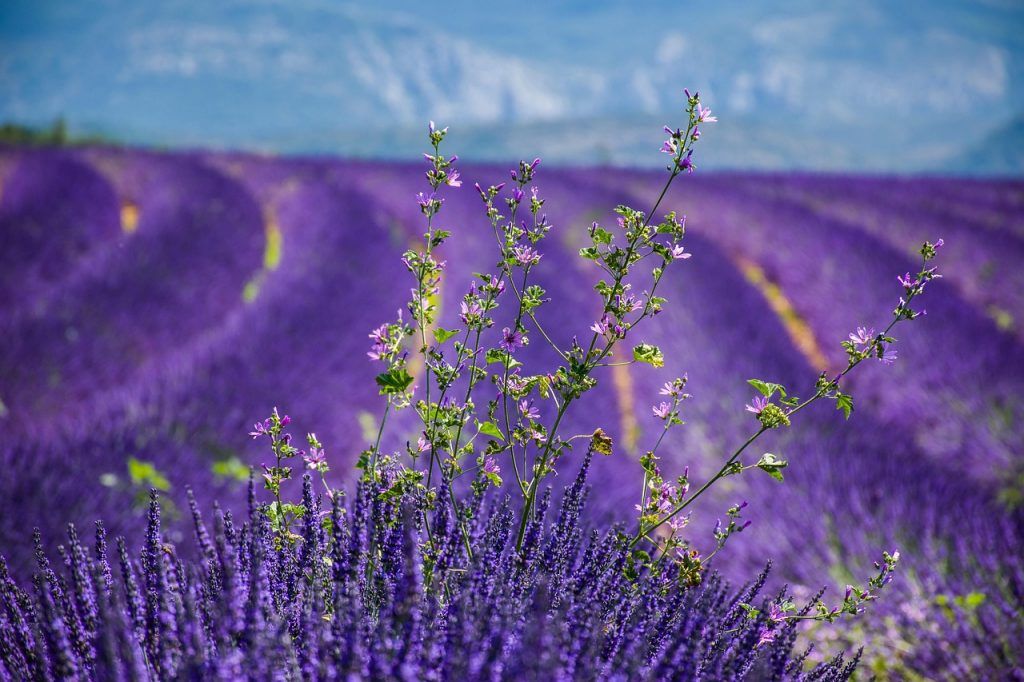
Lavender
The word itself comes from the Latin “lavare,” which means “to wash, clean.” Thus, the ancient Greeks associated this flower with cleanliness and purity. Lavender is believed to have first appeared on Greek islands and was then brought to France around 600 BC. By the 17th-century, it subsequently spread to other countries, including England. With Victorianism and floriography, it became a common symbol of devotion, grace and serenity, while the calming and purifying qualities symbolised peace and calm for Victorian gardens. A lavender aroma is like the warmth of a mother’s embrace—comforting and calming. This one is not to be missed for your Mother’s Day bouquet!
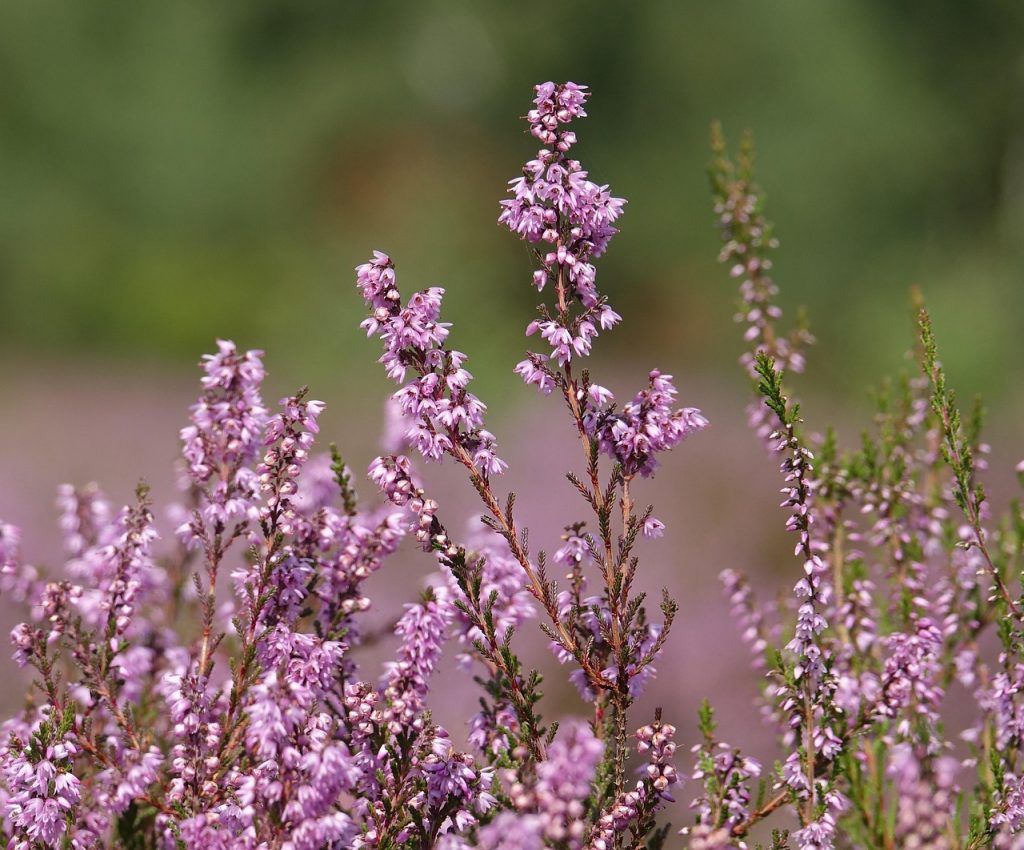
Heather
Similar to the Lavender, the heather flower’s meaning comes from its genus name, Calluna vulgaris, which stems from the Greek word kalluno, and means to cleanseor adorn. It is also believed that warriors would wear white heathers in their bonnets as a charm against harm. The flower grows in shrubs along rocky hillsides and meadows, thriving with minimal care and will flourish in rural areas of infertile, barren land. Rooted in rugged Scottish landscapes, heather symbolises resilience, protection and renewal. During the Victorian era, Queen Victoria is said to have associated finding white heathers with good luck, due to its rarity at the time. Our mothers are the true warriors in our lives—they protect us from harm, and their unwavering resilience is our good luck charm. Including this flower in your bouquet is fitting for the grand gesture of love this Mother’s Day!
Hydrangeas
The flower that holds universal themes in both Asian and Western culture. While the Victorian interpretation of white hydrangeas carries a symbol of boastfulness and vanity, its pink symbolism represents sincere emotions and genuine feelings—a symbolism that is shared by the Japanese. Additionally, the Japanese associate blue hydrangeas to reconciliation. As a multifaceted flower, it is with no doubt that hydrangeas represent the colourful spectrum of our relationship with our mothers—whether in happiness and in reconciliation, in sombre blues or in joyous pinks, the maternal figure will always have their deep connection in our lives.

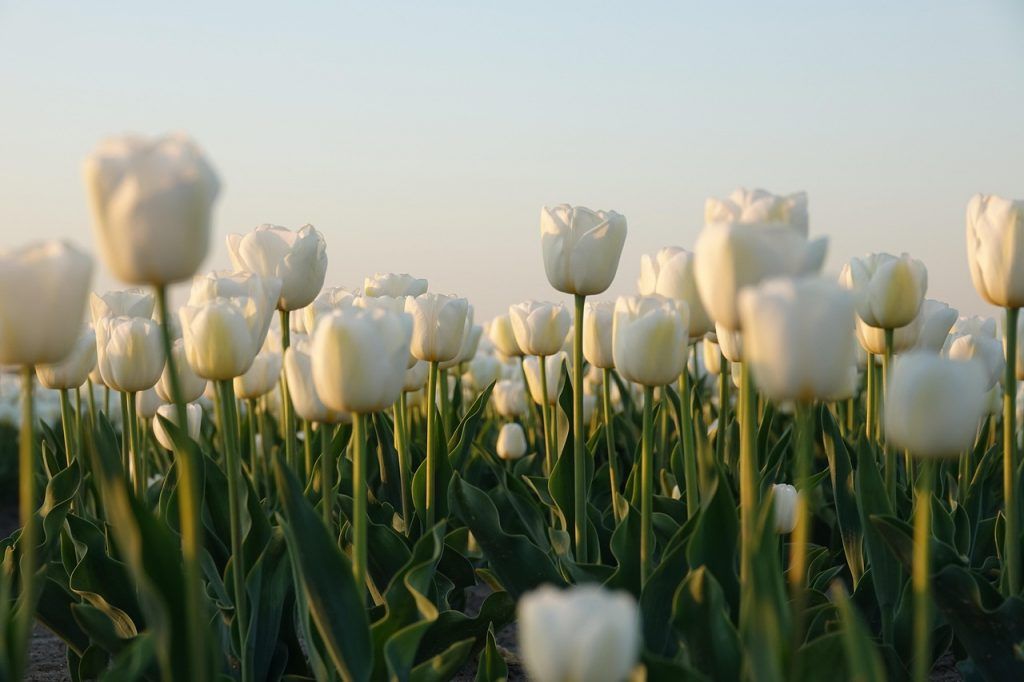
Tulips
The Ottomans used tulips to represent luxury, wealth, and status, while in 17th-century China, tulips represented elegance, prosperity, and renewal. In Persian literature, the historical tale of Farhād, a stonecutter, and Shirin, a Princess, points to red tulips as emblems of an undying love, while during the Victorian era, flower dictionaries defined tulips as expressions of gratitude and admiration. Today, sans the intensity of the red, the pink variety symbolises care, good wishes, and affection—a popular choice for Mother’s Day.
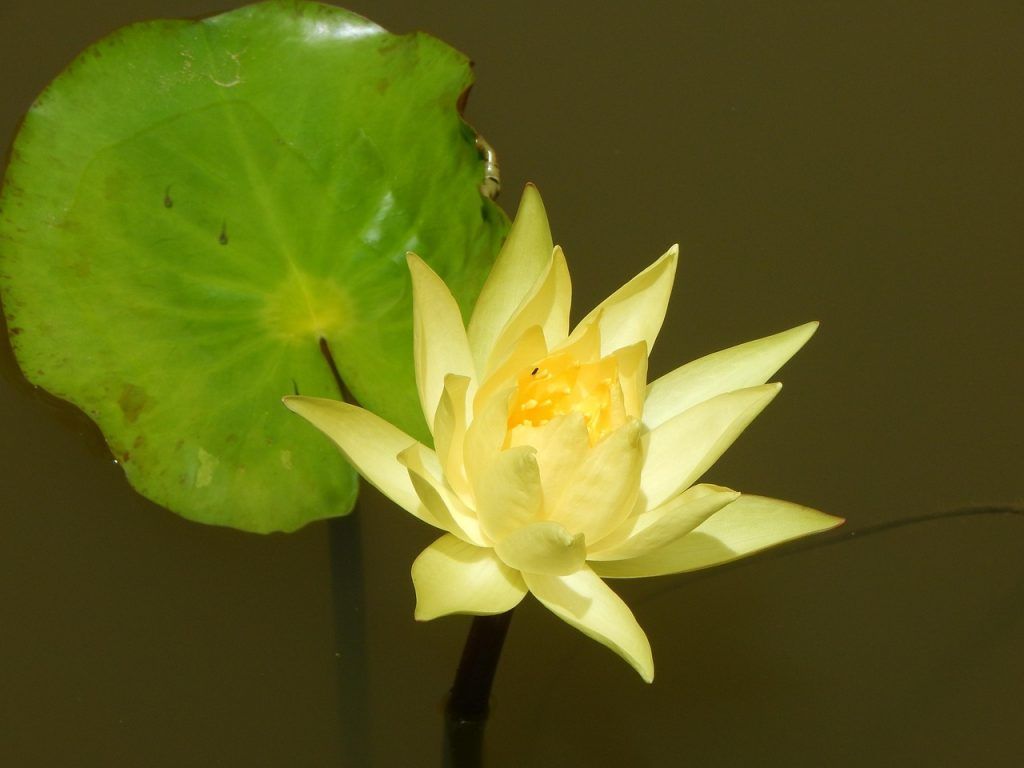
Lilies
Lilies are deeply rooted in feminine symbolism across various cultures and civilisations. While the Greeks associated lilies with motherhood and rebirth, the Assyrians & Babylonians associated them to Ishtar, the Goddess of fertility. In Christianity, they are associated with the Virgin Mary, particularly the Madonna lily variety, symbolising purity and virtue. The Victorians would offer lilies to their beloved to show devotion, while in China, lilies denote 100 years of love—enough to last a lifetime! Christina Rossetti, a renowned Victorian-era poet and writer quotes in her poem Hope is Like a Harebell— “Faith is like a lily, lifted high and white” pointing to the lily as a symbol of purity and faith. Mothers represent fertility, birth, faith and virtue. A gifting of the lily celebrates all things feminine and maternal, perfect as a gift for Mother’s Day!
Roses
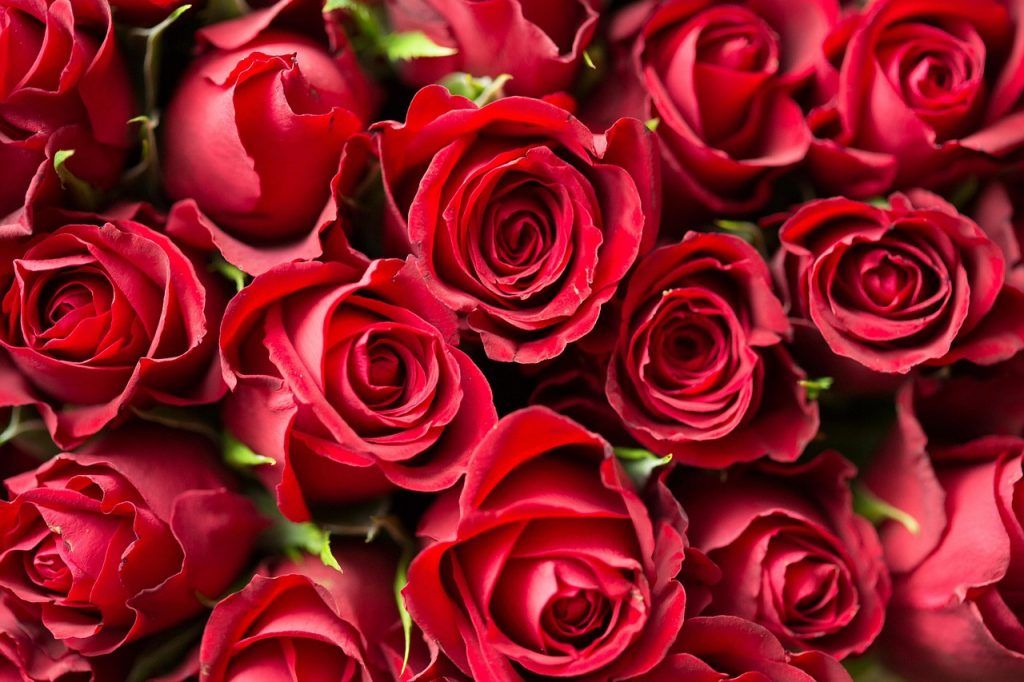
The most symbolic flower of love that transcends time and culture—the flower that simply proclaims “I love you” to its recipient. The Greeks associated roses with Aphrodite, goddess of love and beauty, and some myths suggest that the rose was created from the tears of Aphrodite and the blood of her lover, Adonis. In India and China, roses have long been linked to romantic poetry and art, symbolising love and passion. For the Victorians, while the red blooms symbolise romantic love, the pink blooms symbolise gratitude, grace and admiration. Our mothers are eternal symbols in our lives, mirroring the symbolism of the eternal rose. An “I love you” paired with a bouquet of roses is like a mother paired with her child—they are an inseparable combination!
Carnations
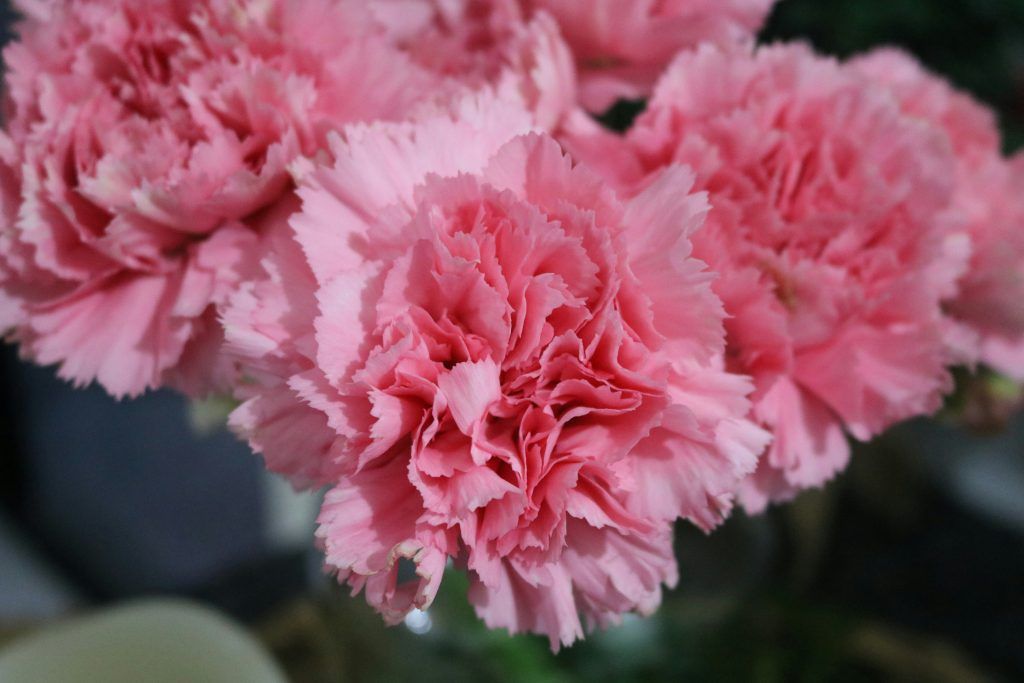
In William Shakespeare’s Winter’s Tale, carnations are described as “fairest flowers o’ the season” reflecting their esteemed status among flowers. Throughout history, carnations have also been referenced in Greek mythology and Christianity; it is believed that carnations bloomed from the tears of Mary while she wept for Jesus on his way to Calvary, denoting a steadfast love and a maternal devotion for her child. During the Victorian era, the symbolism of carnations in floriography encompassed themes of love—both romantic and maternal. In the early 1900s, American social activist Anna Jarvis played a pivotal role in establishing modern Mother’s Day celebrations, choosing the pink carnation as its symbol, which have long been popular choices for bouquets.
In curating our top 10 selection of flowers for your next Mother’s Day bouquet, it is clear how deeply floral symbolism is intertwined with cultures and history. From the divine associations in Greek mythology to the spiritual and emotional significance in Asian traditions, and the Victorian era’s intricate language of flowers—floriography—we enrich the sentimental value of honouring our mothers. Each flower tells a story, transforming a simple bouquet into a heartfelt and personal expression of gratitude and love. Through these narratives, we can choose blooms that truly convey our appreciation for all that our mothers do and what they represent. We recommend sharing this list to your florist in giving a meaningful gift to your mum this Mother’s Day—one that is not-so-secret which carries layers of history, symbolism, and love!
 Jeremy Got narratives