By Jeremy Got | 5-minute read
Published: Dec 19, 2025 10:28 AM HKT | As seen on www.prestigeonline.com
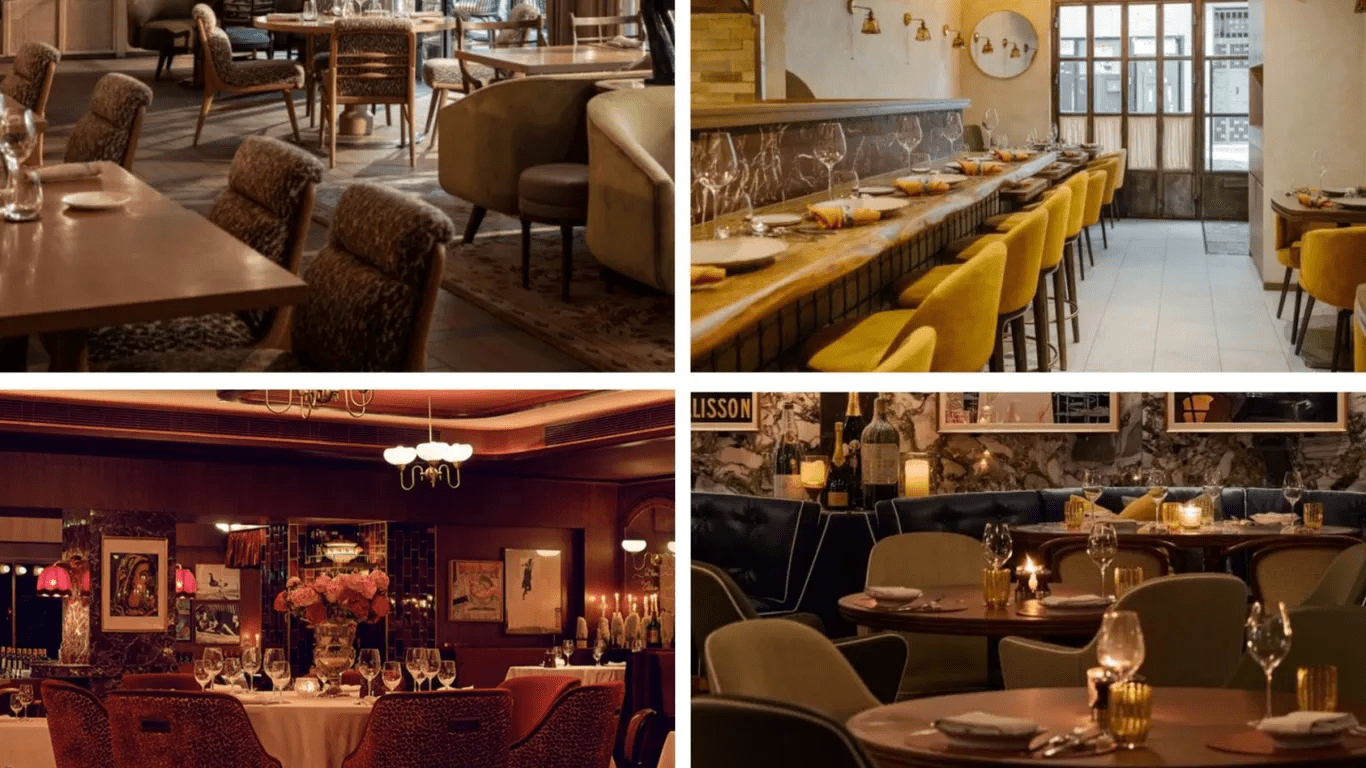
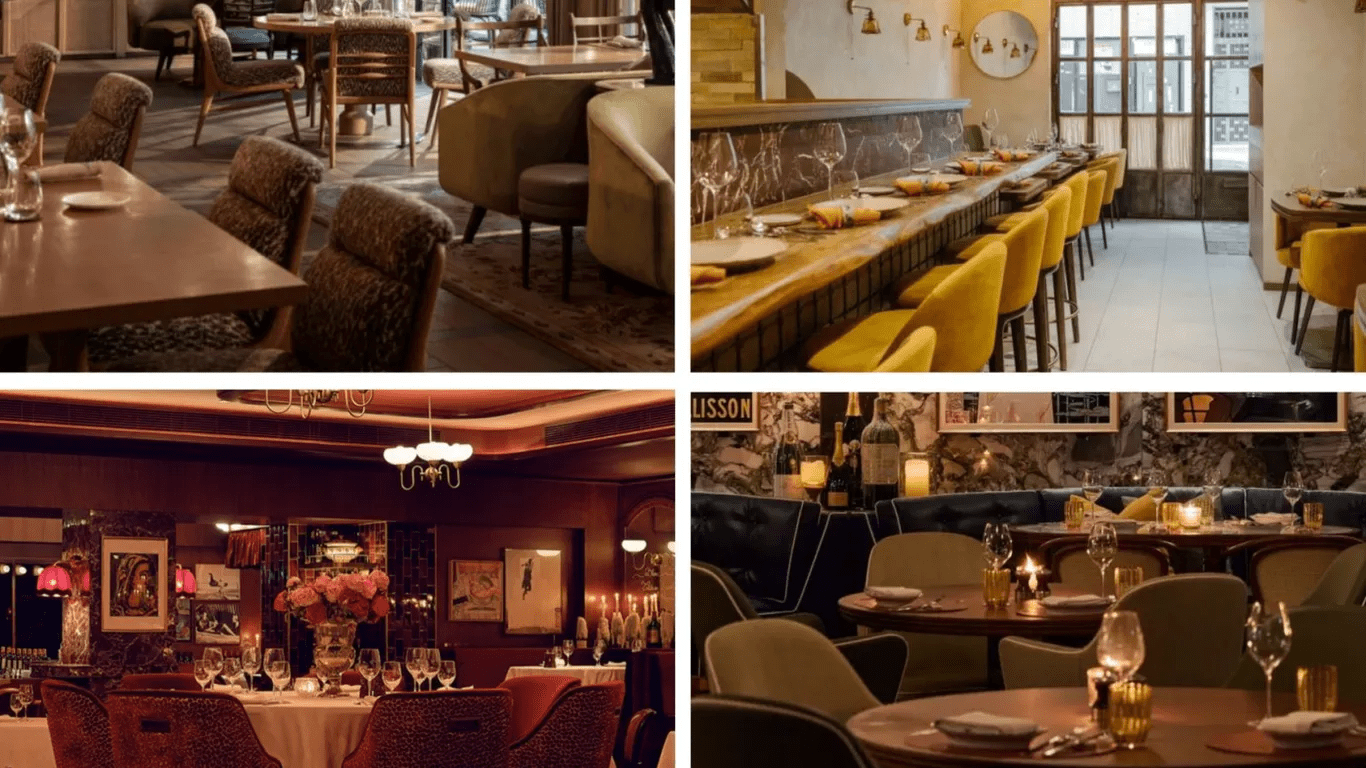
In a city that never sleeps, Hong Kong’s restless energy makes it a natural proving ground for chefs who want to test French culinary rigour against the city’s fast‑moving, East‑meets‑West palate.
In a place where bon vivant diners are as curious as they are discerning, classic French techniques find fresh expression – whether it’s a buttery sole, a perfectly rendered duck confit, or a pigeon re‑imagined with local accents. The four restaurants below – and their chefs – illustrate how French gastronomy can stay true to its roots while thriving in Hong Kong’s vibrant, ever‑evolving food scene that feeds the appetite of a life that is joie de vivre.
Jean‑Pierre
The chefs
Executive head chef Matthew Kirkley is a Bocuse d’Or World Finalist, best known for his rigorous French technique with a résumé that boasts stints at The Fat Duck and Le Meurice. Moving to Hong Kong in 2019, he has helmed establishments like the fine French three-starred Michelin Amber, subsequently followed by stints at Black Sheep’s Magistracy and Belon, where we’ve witnessed events like the popular “Classic Nights at Belon”, a six-week series showcasing traditional French fare pre-Jean-Pierre. The menu curation at Jean‑Pierre blends disciplined French technique with dishes curated for sharing – a nod to the wider tradition of communal dining that Hong Kong readily embraces.
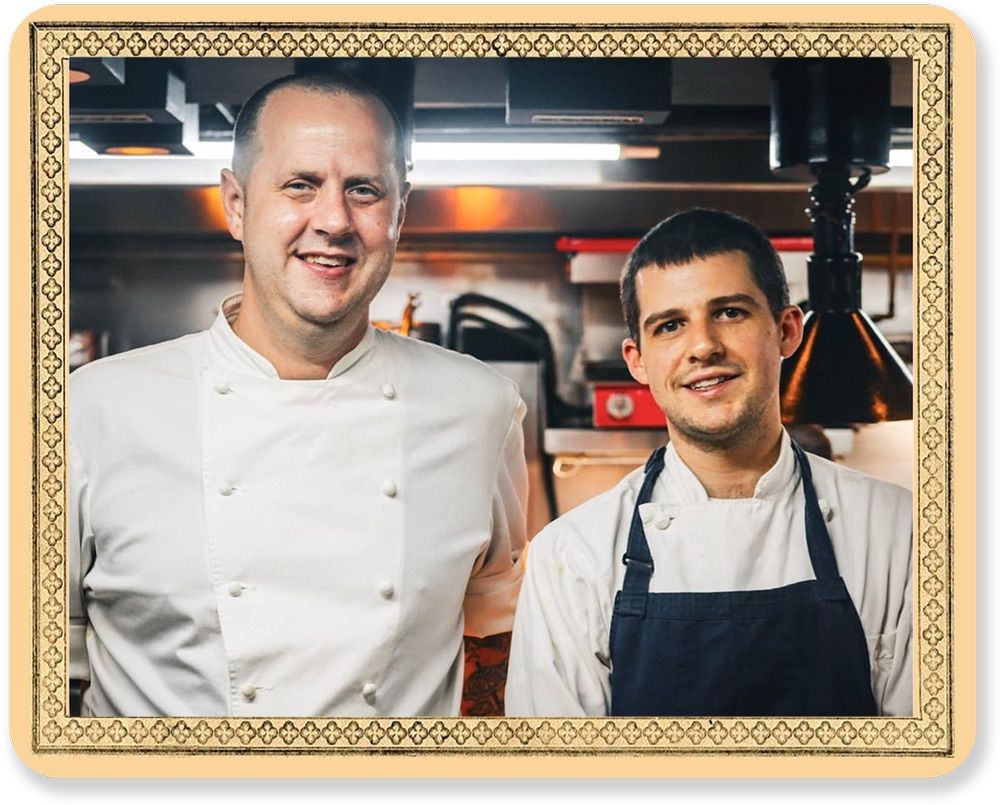
Chef de Cuisine John Troupis has also had a hand at both The Magistracy Dining Room and Belon. The Paris-trained chef is celebrated for his “truthful cooking” philosophy: letting the ingredients speak, avoiding gimmickry, and executing every dish with dexterous precision. The truth is in the plate (or should we say palate!); classic French bistro dishes are rendered with an immaculate technique that focuses on seasonal, thoughtfully sourced produce. With the duo that is Troupis and Kirkley, Jean-Pierre’s understated presentations allow textures and flavours to dominate while convivial chatter takes centre stage as glasses clink within the walls of this chic, Parisian Art Nouveau establishment.
Signature dishes
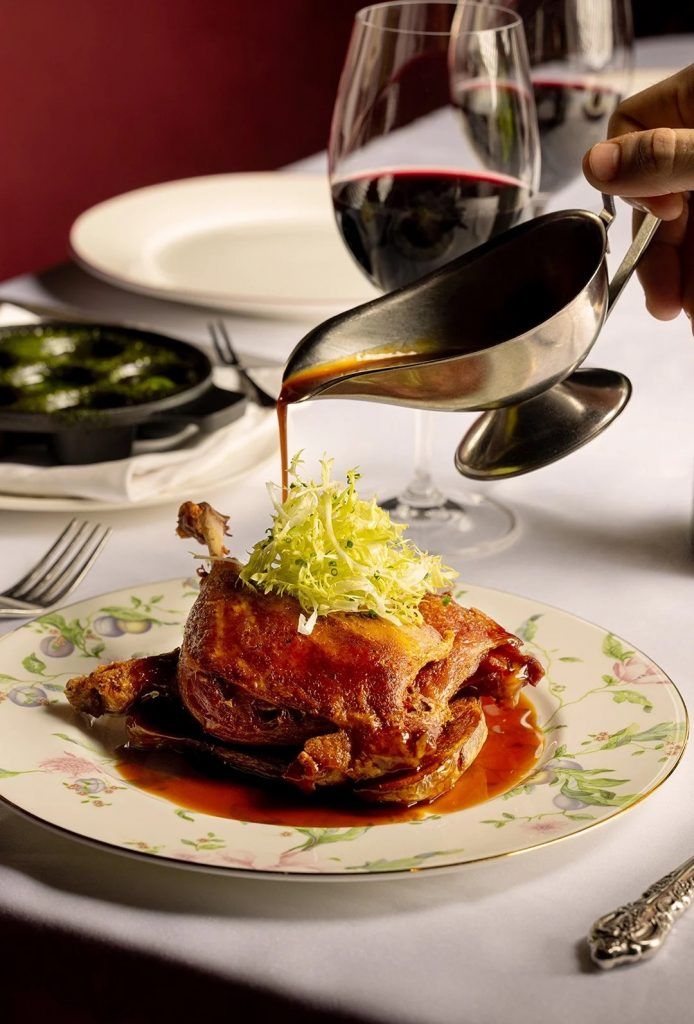
A Sole Meunière that glistens with its butter‑hazelnut sauce (beurre noisette) that whispers of Normandy, while the sustainably‑caught fillet melts like silk. Beside it, a Cuisse de Canard Confite rests on a pillow of potatoes Sarladaise; the duck, slow‑cooked in Cahors fat, emerges tender and glossy, its richness softened by caramelised, garlicky potatoes. As if that doesn’t pull your heartstrings, Jean-Pierre is named after the father of the restaurant’s co-founder Marc Hofmann. The heart of the concept is more than just a tribute; it embodies the spirit of a generous host and the concept of shared, joyful and fine French dining.
Louise
The chefs
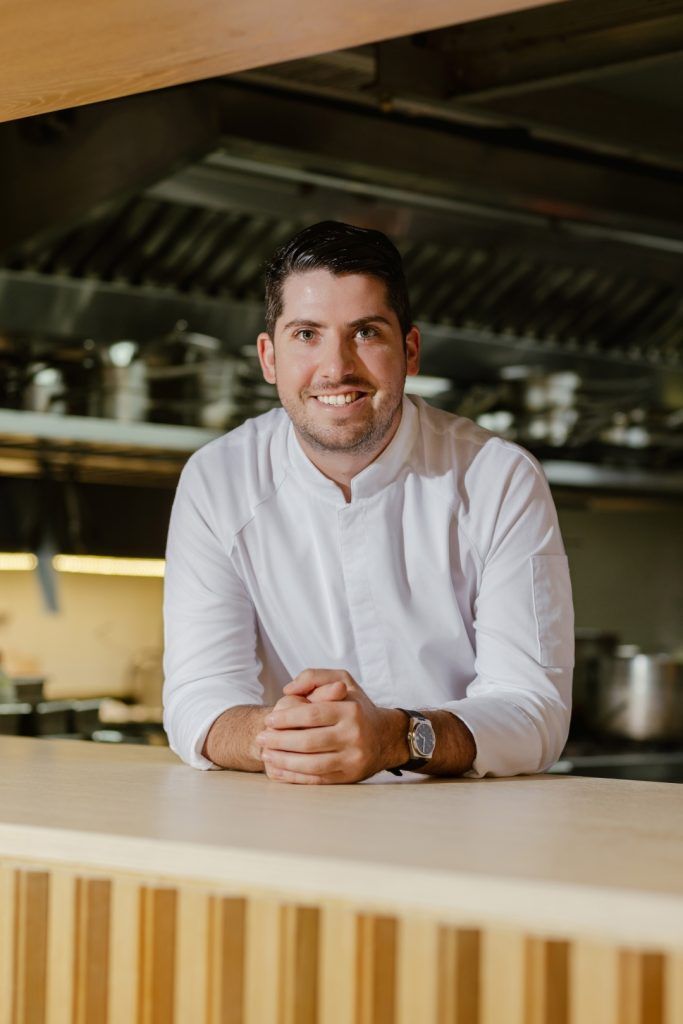
Chef-founder Julien Royer earned three Michelin stars for Odette in Singapore before introducing his fine French fare to the historic Police Married Quarters (PMQ) that now house Louise. Partnering with Loïc Portalier, the executive chef, the kitchen follows a philosophy of respecting the classic while letting the locale speak. The interiors – retaining the original brickwork of the former police quarters and lit by subtle, dim lighting – is a quiet courtyard where French technique is elevated against the backdrop of its rich Hong Kong narrative, reminiscent of the Western-style governance and Eastern community living that defined the quarters’ history.
Signature dishes
The hearty Roasted Hong Kong Chicken paired with Niigata rice is a study in contrast: the bird with its golden, crispy skin is meticulously prepared with love, undergoing a five-day love affair from brining and pre-cooking to dry aging, ensuring every bite is tender and flavourful, offering a comforting, umami‑rich bite. Equally arresting is the game Pigeon “Fabien D’eneour”. A plump Brittany pigeon with cabbage mille‑feuille and a black pudding made from the innard, its gamey richness tempered by pink‑pepper‑oil‑infused nori and a bright Black Lemon Condiment. The dishes showcase Royer’s sustainability ethos and Portalier’s talent for weaving Asian accents into a French framework.
Marmo Bistro
The chef
Italian‑born Giovanni Galeota took the helm of Marmo, Rosewood Hong Kong’s first French bistro as its executive chef with a clear mantra: “Reimagined French classics” through an Italian lens. The marble‑rich dining room feels like a Parisian brasserie softened by Mediterranean warmth, and the menu reflects that hybrid sensibility.
Signature dishes
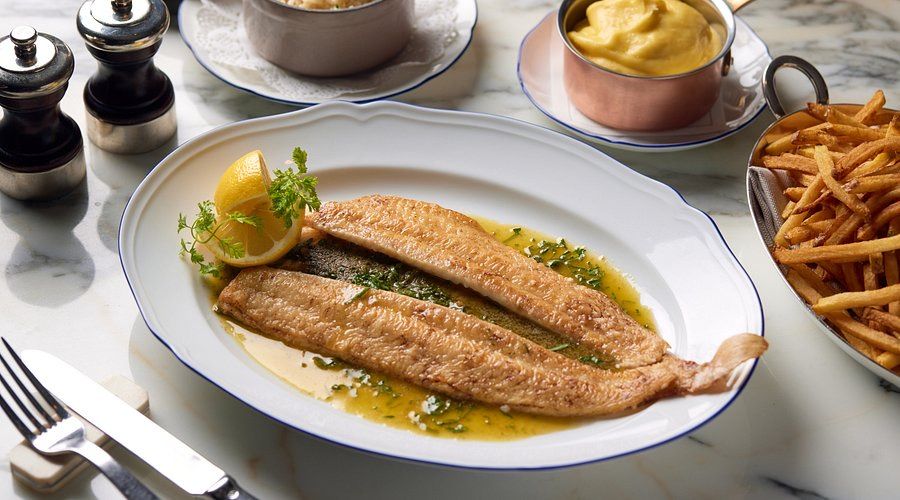
A steaming Gratinée à l’Oignon with its onion soup thickened with Gruyère and Comté cheese domed within a crust that is cracked with a spoon, releasing layers of savoury, caramelised onion and a subtle nutty depth. The Foie Gras Torchon is an art piece: homemade duck liver wrapped in a cloth, poached and then rested for twenty‑four hours to deepen the flavours, before being presented alongside fig chutney, Kampot pepper and toasted sourdough. The simplicity of the preparation lets the natural buttery texture of the liver shine, while the fig chutney adds a gentle sweetness and the pepper, a quiet heat. Finally, his rendition of French Dover Sole Meunière is a classic lemon‑buttery elegance that is quintessential of French tradition.
Racines
The chef
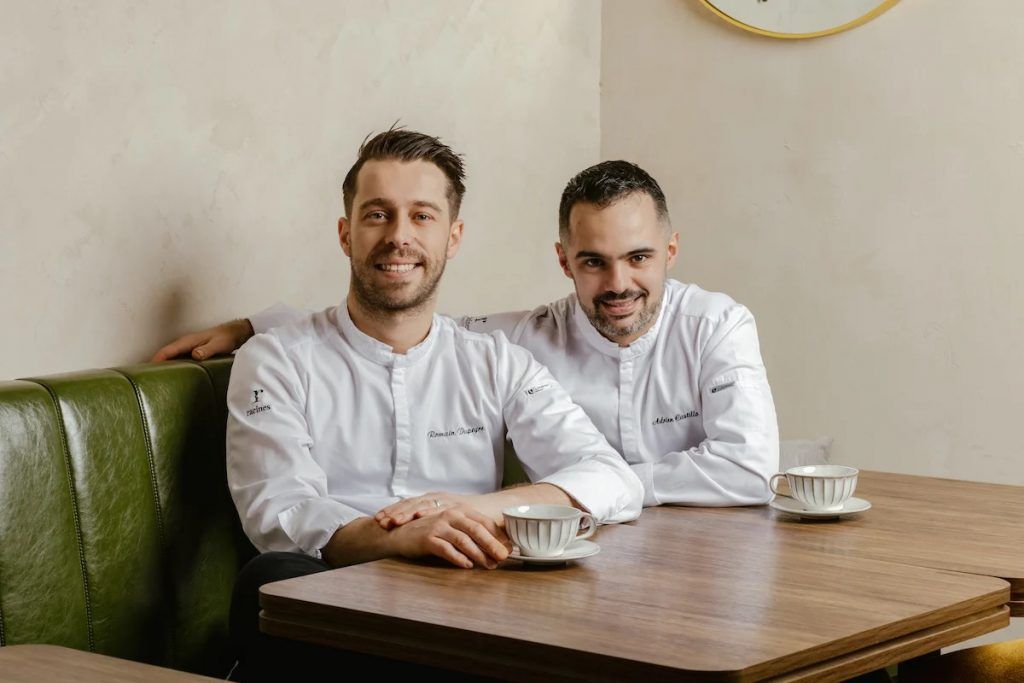
Romain Dupeyre is the co-owner and executive chef, and spent his formative years in the kitchens of Nice, whose early training at La Chèvre d’Or and the Ritz Paris informs a cuisine rooted in Mediterranean terroir. Together with longtime friend Adrien Castillo, he opened Racines in Sheung Wan in celebration of the roots of Provençal cuisine while allowing Hong Kong’s market to reinterpret them. Their credo—heritage ingredients approached with a contemporary dialogue—turns every plate into a narrative of place and memory. Racines offers an intimate eighteen‑seat space where the chefs’ friendship translates into a collaborative, story‑driven dining experience—perfect for diners seeking a personal glimpse into French roots transplanted to Hong Kong.
Signature dishes
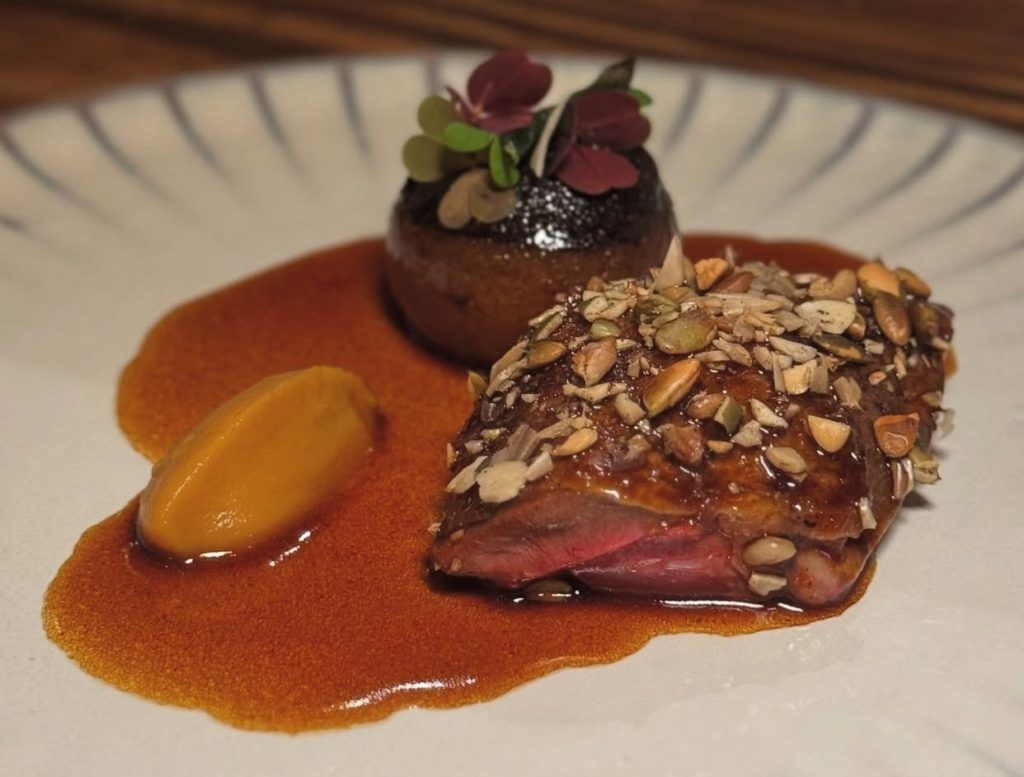
The nine-course Plénitude tasting menu is a revelation with its dishes from start to finish, illustrating a culinary journey as a growth process of a tree from its roots to its branches. The showstopper of this presentation is the Brittany Pigeon, intricately turnip-stuffed, slow-braised to tenderness and perfumed with coffee and ginger – it’s a medley of flavours that is definitive of the chef’s renown. The Genèse Tasting Menu (seven‑course showcase of gambas, caviar, beef, and seabass preparations) is also a feat of culinary mastery. Overall, the Mediterranean thread is unmistakable: think olive‑oil‑based preparations, citrus‑forward sauces, unique touch of espelettes (a legally-regulated Basque pepper), and the use of herbs and nuts that are staples of the region. Yet the menu is approached with an Asian finesse with the use of ingredients like wasabi and binchōtan charcoal – creating a true culinary dialogue. Each dish feels like a quiet conversation between the chef’s Provençal upbringing and the city’s ceaseless energy.
Why These Four Matter
They are not merely French restaurants transplanted into an Asian metropolis; they are living proof that French culinary standards can evolve without losing their core. Whether it’s Kirkley’s and Troupis’s bistro‑style precision, Royer’s sustainable generosity, Galeota’s Italian‑tinged classicism, or Dupeyre’s rooted reinterpretations, each kitchen has earned a quiet yet unmistakable seal of approval from the very culture that birthed the cuisine.
In Hong Kong, where the skyline constantly rewrites itself, these four establishments remind us that tradition, when treated as a canvas rather than a cage, can produce art as fresh and daring as the city’s luminous pulse.
Bon appétit!
 Jeremy Got narratives